

Choosing the Right Commercial Vehicle for Different Jobs
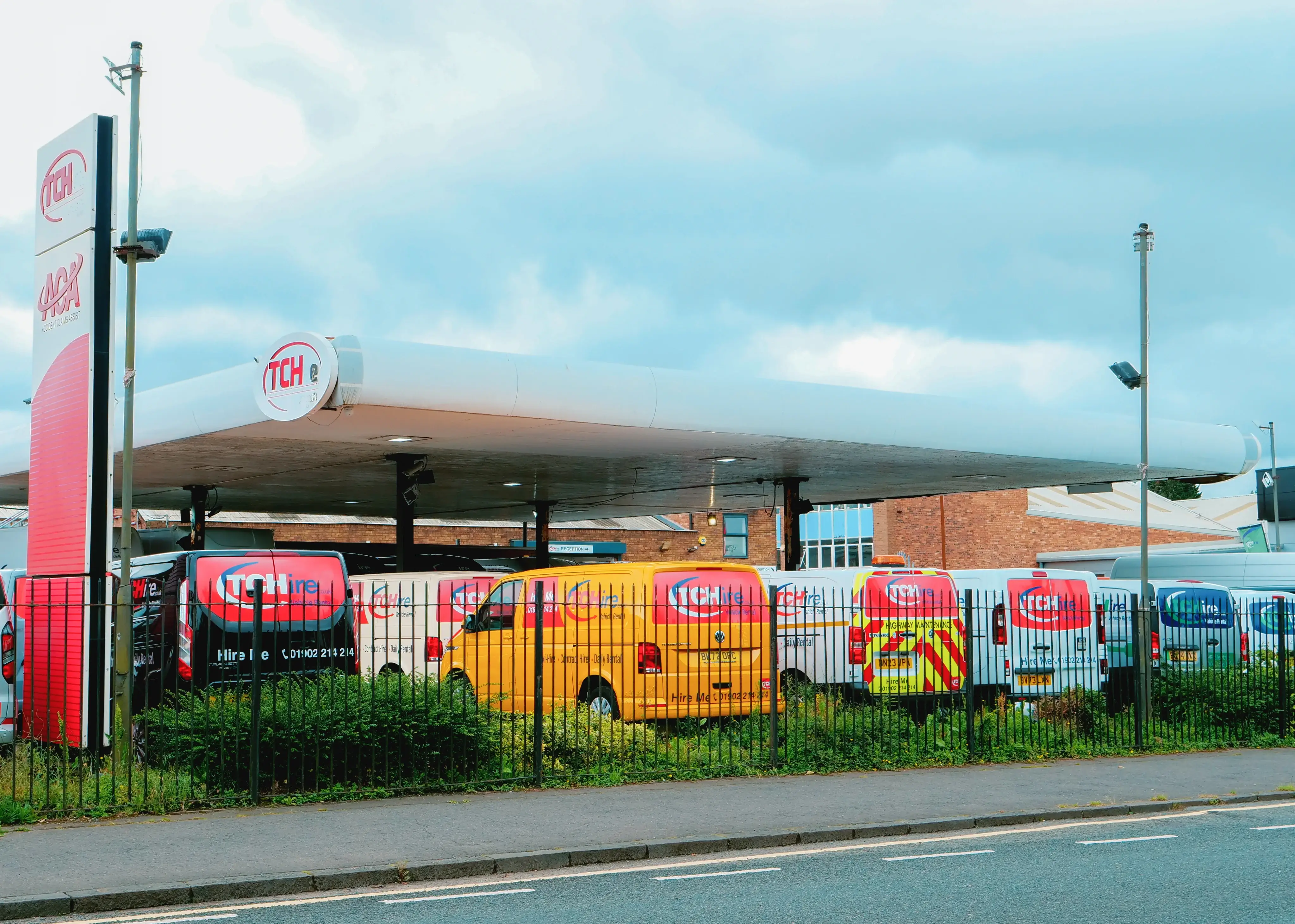
Choosing the right commercial vehicle can make a significant difference to how efficiently you complete a job.
Whether you are a self-employed tradesperson, run a small business, need extra transport for a busy period or simply have a one-off job to complete, the vehicle you choose needs to match what you are actually carrying.
Choose a vehicle that is too small and you may end up making multiple journeys. Choose one that is larger than necessary and you could find it less convenient to drive, park and load.
The good news is that you do not always need to own a large commercial vehicle. For many businesses and individuals, commercial vehicle hire provides a flexible way to access the right vehicle when it is needed.
In this guide, we look at some common jobs and explain what to consider when choosing the right commercial vehicle.
Why Choosing the Right Vehicle Matters
A commercial vehicle is more than just a way of getting from A to B.
For many businesses, it is part of the working day. The right vehicle can make it easier to transport tools, materials, stock, furniture or equipment while helping you complete jobs efficiently.
When choosing a vehicle, consider:
- What you need to transport
- How much space you need
- The weight of your load
- How many people need to travel
- How far you will be driving
- Where you will be loading and unloading
- Whether you need to make multiple stops
- How frequently you need the vehicle
It is also important to consider the vehicle's dimensions and payload rather than simply thinking about how much space is available inside.
If you are unsure, speaking to a vehicle hire company before booking can help you identify a suitable option.
1. For General Trade Work
If you are a plumber, electrician, carpenter, decorator or other tradesperson, you may need to transport tools and equipment to different jobs.
For this type of work, a small or medium-sized van can often provide a practical balance between storage space and manoeuvrability.
You may need room for:
- Power tools
- Hand tools
- Ladders
- Toolboxes
- Materials
- Protective equipment
- Spare parts
A smaller van can be particularly useful if you regularly work in residential areas where parking space is limited.
The key question is not simply "How big is the van?" but "What do I normally take to a job?"
If your equipment changes from one project to another, flexible van hire can also give you the option of choosing a vehicle based on the particular job.
2. For Building and Construction Work
Construction projects can require considerably more equipment and materials than a typical trade call-out.
You might need to transport timber, flooring, tools, fixings, work equipment or other building materials.
Depending on the size and weight of the load, a medium or larger commercial van may be more appropriate.
However, space is only one consideration.
You also need to think carefully about the weight of your load and the vehicle's payload capacity.
It is important never to assume that because something physically fits inside a van, the vehicle can safely carry it.
Before loading a commercial vehicle, make sure your planned load is within the relevant limits for that vehicle.
3. For Furniture Collection
Buying furniture is one of the situations where having access to a van can make life considerably easier.
Whether you are collecting a sofa, wardrobe, table or multiple pieces of furniture, a suitable van can save you from trying to fit bulky items into a car.
For a single large item, a smaller van may be sufficient.
For multiple pieces or larger furniture collections, you may need a larger van with greater internal capacity.
Before hiring, measure the largest items you need to transport.
Pay particular attention to:
- Length
- Width
- Height
- Door opening dimensions
- Available floor space
Remember that the dimensions of the cargo area and the dimensions of the rear or side doors are not necessarily the same.
Planning ahead can prevent the frustrating situation of arriving to collect an item only to discover it will not fit through the vehicle's doors.
4. For House Moves
Moving house is one of the most common reasons people hire a van.
The right vehicle will depend heavily on how much you are moving.
For a small move, such as a student room or studio flat, a smaller van may be enough.
For a larger property, you may need considerably more space and potentially multiple journeys.
When planning a move, make a list of the largest and heaviest items you need to transport.
Think about:
- Sofas
- Beds
- Mattresses
- Tables
- Chairs
- Appliances
- Boxes
- Garden equipment
If you are moving a substantial amount of furniture, a larger van can help reduce the number of trips required.
However, you should still consider the vehicle's payload and make sure everything is loaded safely.
5. For Deliveries and Collections
Businesses that regularly deliver products or collect goods need a vehicle that works with their day-to-day operation. A smaller van may be ideal for local deliveries involving relatively compact items.
A larger van could be more suitable if you regularly transport bulky goods or larger quantities.
Think about your typical delivery route as well as your load.
If you are making multiple stops around towns and cities, manoeuvrability and ease of parking may be particularly important.
If you are travelling longer distances with a large load, internal capacity and comfort may become more important considerations.
6. For Events and Equipment Transport
Businesses and organisations sometimes need to transport equipment for exhibitions, sporting activities, community events or other occasions.
This might include:
- Tables and chairs
- Display stands
- Equipment cases
- Promotional materials
- Audio equipment
- Sporting equipment
- Gazebos and other temporary structures
A medium or large van can provide useful loading capacity, particularly when transporting several bulky items together.
Before booking, create a simple inventory of what you need to move.
Knowing exactly what you are transporting will make it much easier to choose the right vehicle.
7. For Landscaping and Gardening Work
Landscapers, gardeners and grounds maintenance businesses can have very different transport requirements depending on the job.
Tools and smaller equipment may be suitable for a smaller van, while larger jobs could require considerably more capacity.
You may need to transport:
- Lawn equipment
- Hedge trimmers
- Hand tools
- Planting equipment
- Materials
- Bags of soil or compost
- Timber
- Landscaping supplies
Weight can be particularly important for this type of work.
Materials such as soil, paving slabs and other landscaping products can become very heavy very quickly, so always check the vehicle's payload and ensure your load remains within the relevant limits.
8. For Business Stock and Supplies
Retailers, wholesalers and other businesses may need temporary additional capacity when demand increases.
For example, you might need extra transport during:
- Seasonal busy periods
- Promotions
- Stock deliveries
- Business expansion
- Relocation
- Temporary fleet shortages
Rather than purchasing another vehicle that may not be needed year-round, commercial vehicle hire can provide a more flexible alternative.
The vehicle can be selected according to the particular requirement, helping businesses avoid committing to additional long-term ownership costs when their transport needs fluctuate.
9. For Large or Bulky Equipment
Some jobs involve equipment that simply will not fit into a standard car.
Before choosing a commercial vehicle, measure the equipment carefully.
Do not just measure the equipment itself. Consider how it needs to be positioned inside the vehicle and whether there is enough room to load and secure it properly.
Ask yourself:
- Can it fit through the doors?
- Is there enough internal length?
- Is there enough internal height?
- How heavy is it?
- Can it be loaded safely?
- Will other equipment need to travel with it?
These questions can help you select a vehicle that is practical rather than simply choosing the largest available option.
A Simple Guide to Choosing Your Van
If you are unsure which commercial vehicle you need, start with these four questions.
What am I carrying?
Make a list of everything that needs to travel in the vehicle.
Do not forget tools, equipment, packaging or smaller items that can quickly take up additional space.
How much space do I need?
Measure your largest items and estimate how much total cargo space you require.
If you are regularly moving bulky items, allow some extra room rather than choosing a vehicle that will be completely full.
How heavy is the load?
Space is not the same as payload.
A vehicle can have plenty of room left inside while still being close to its maximum permitted weight.
Always consider the weight of your load and the vehicle's relevant limits.
How often will I need it?
If you only need a larger vehicle occasionally, hiring can make more sense than purchasing one.
For example, a business might normally operate with a smaller vehicle but hire a larger van for a particularly demanding project.
This provides flexibility without requiring the business to maintain a larger vehicle all year round.
Small Van vs Medium Van vs Large Van
While exact specifications vary between vehicles, the general differences can help you think about your requirements.
Why Commercial Vehicle Hire Can Be a Flexible Option
Buying a commercial vehicle is a significant commitment.
There is the initial purchase cost, followed by insurance, servicing, maintenance, tax and other ongoing expenses.
For businesses that only need additional capacity from time to time, hiring can offer another option.
Commercial vehicle hire can be particularly useful when:
- You have won a larger-than-usual contract
- Your usual vehicle is being repaired
- You need temporary additional capacity
- You are testing a different type of vehicle
- You have seasonal increases in demand
- You have a one-off project
- You are not ready to purchase another vehicle
It allows you to choose a vehicle based on the job rather than trying to make one vehicle work for every situation.
Tips for Loading a Commercial Vehicle Safely
Choosing the right vehicle is only part of the process. How you load it matters too.
Heavier items should generally be positioned carefully and securely, with attention paid to how the load affects the vehicle.
You should also make sure that:
- Items are properly secured
- The load cannot move around unnecessarily
- The driver's visibility is not obstructed
- Doors can close and secure properly
- The vehicle is not overloaded
- The load remains within the vehicle's relevant limits
If you are transporting fragile or valuable equipment, consider suitable protective materials and securing methods before setting off.
What If You Are Not Sure Which Vehicle You Need?
You do not have to work it out alone.
If you can explain what you need to transport, how much space you think you require and where you are travelling, a vehicle hire company may be able to help you identify a suitable option.
It is much better to ask before booking than to discover on collection day that the vehicle is too small for the job.
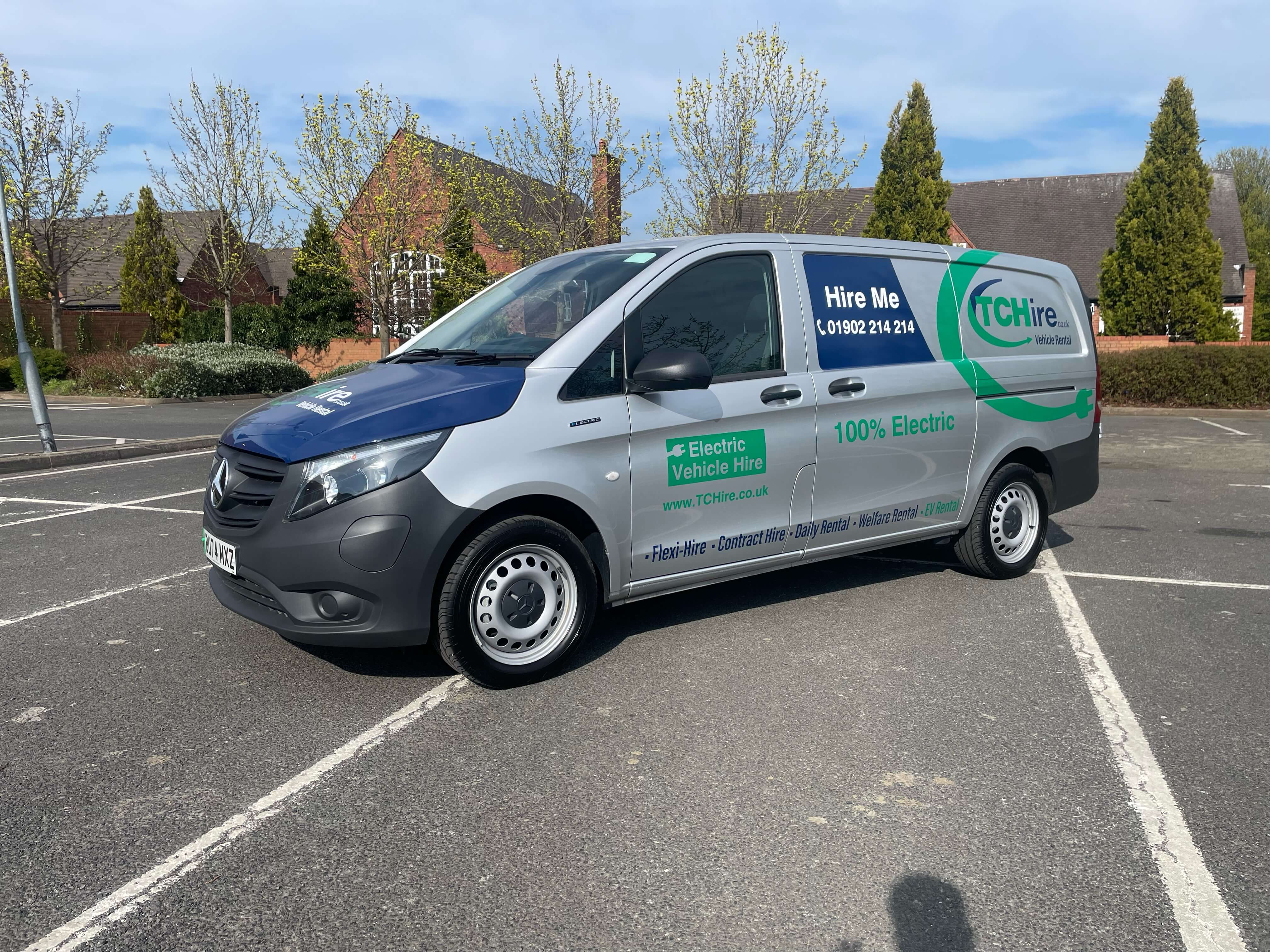
At TCHire, the team can help customers consider their requirements and find a suitable vehicle from the available fleet.
Choosing the Right Vehicle Can Make the Job Easier
There is no single commercial vehicle that is perfect for every job.
A plumber may prioritise easy access to tools and manoeuvrability, while someone moving house may need as much loading capacity as possible. A business making local deliveries may need something compact and easy to park, while a larger project could require considerably more space.
The best approach is to start with the job itself.
What are you carrying? How much does it weigh? How much space does it take up? How far are you travelling? And how often do you need the vehicle?
Once you have answered those questions, choosing the right commercial vehicle becomes much simpler.
If you need a van for a particular job, project or business requirement, TCHire can help you explore your vehicle hire options and find a practical solution for your needs.




%201.svg)
Fantastic service at very good rates. Super friendly helpful staff.
10/10, faultless service.
I've used TCH for a number of years. The service is second to none and the prices are very reasonable
The service provided was very quick and most of all the person who served me was excellent with his customer care skills. A credit to the company as you don't get to see service like this anymore.
If I need a van I will get a van, even if they have to stretch their resources. Never did I hear 'we can't help you', sensibly priced and quite flexible. Definitely worth recommending.
A truly great company to deal with, I've been using their services since 2008 without one single problem at all, great vehicles, great staff and everyone's always happy to help, they really are a pleasure to work with, top marks all around. Very professional, best hire company around by far :)
Excellent vehicles and friendly service at a great price best place to hire from in the Midlands