

Self-Drive Minibus Hire for Group Events: A Complete Planning Guide for 2026
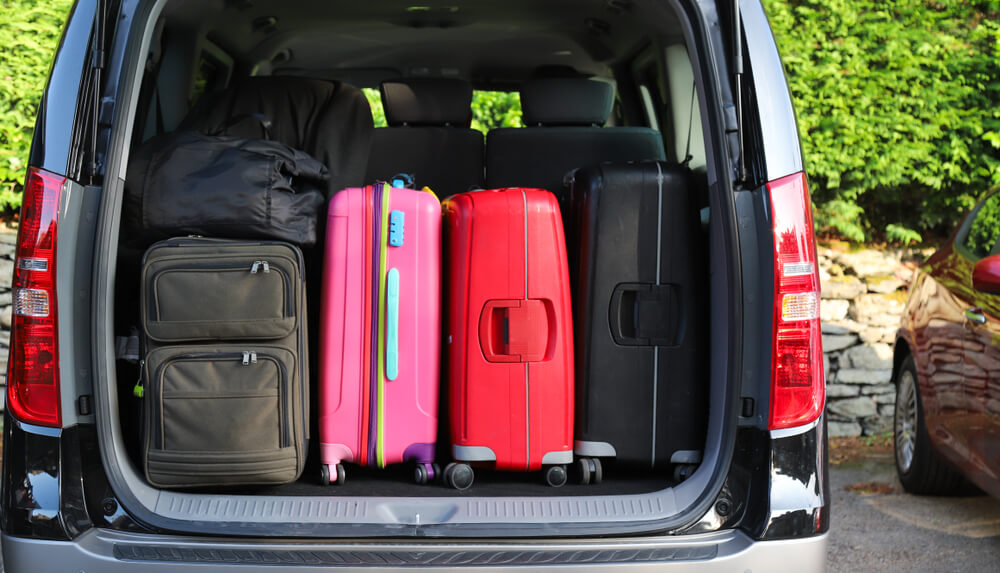
Self-drive minibus hire has become the go-to transport solution for UK event organisers in 2026, offering groups complete control over timing, routes, and passenger experience whilst cutting professional driver costs by 15–20% compared to chauffeur hire. However, selecting the right vehicle size, understanding liability requirements, and planning logistics for self-drive trips requires careful preparation that many organisers overlook, leading to costly last minute cancellations or unsuitable vehicle matches.
Whether you're coordinating a wedding party, corporate team-building day, school trip, or coach tour, self-drive minibus rental places operational responsibility directly in your hands. This control brings significant advantages but also demands thorough planning, driver vetting, and regulatory awareness. This guide walks you through every aspect of self-drive minibus hire for group events, helping you avoid common pitfalls and deliver reliable transport your group will appreciate.
What Is Self-Drive Minibus Hire?
Self-drive minibus hire is the rental of a minibus (typically 8-seater or 16-seater) operated by the hirer or a designated competent driver from within their group, without a professional coachman or operator provided by the hire company. The hirer assumes responsibility for driving, route planning, passenger safety, and compliance with regulations, including seatbelt usage, rest-break mandates, and vehicle condition checks.
This model suits events where control and cost efficiency matter more than luxury service delivery. You select the vehicle size that precisely matches your headcount, choose departure times that align with your event schedule, and manage routes according to your group's preferences. The financial benefit is tangible: by removing professional driver fees, fuel uplifts, and waiting-time charges, self-drive hire typically reduces transport costs by 15–20% compared to chauffeur services.
The trade-off is straightforward. You gain flexibility and budget control. In exchange, you accept legal and operational responsibility for the vehicle, the passengers, and compliance with road regulations. For many organisers, particularly those with competent drivers already within their group, this exchange delivers excellent value.
When and Where Poor Planning Creates Problems
The risk of poor minibus selection and self-drive planning emerges most acutely during peak event seasons. May through September sees wedding demand surge. April through August brings school trips and summer tours. During these periods, groups booking with insufficient notice frequently discover their preferred vehicle size is unavailable.
A common mistake: booking a 16-seater for a 9-person wedding party. The logic seems sound at first glance (extra space for luggage, more comfort). In practice, you're paying for unused capacity, inflating both hire costs and fuel consumption.
Event organisers also underestimate the physical demands of self-drive operation. Driver fatigue on multi-hour journeys poses genuine safety risks. Unfamiliarity with large vehicle handling creates stress, particularly in urban environments or narrow country lanes. Confusion around rest-break compliance leaves groups vulnerable to regulatory breaches they didn't know existed.
The peak-season highlights these issues. Popular dates book out 6–8 weeks in advance. Last-minute bookings force compromises: wrong vehicle sizes, inconvenient collection times. Groups then face the choice between accepting unsuitable terms or cancelling transport arrangements entirely, disrupting their event.
Why Self-Drive Liability Matters
Self-drive minibus hire places legal and safety responsibility squarely on the hirer. If a passenger is injured due to unsafe driving, inadequate seatbelt enforcement, or violations of EU rest-break regulations (15-minute mandatory breaks every 4.5 hours for journeys over 2 hours), the hirer and their organisation face personal liability, regulatory fines up to £1,000 per breach, and reputational damage.
For corporate events, schools, or tourism operators, this liability can invalidate standard event insurance unless the minibus hire is properly declared and the driver holds appropriate licensing. Category B licence covers standard driving, but larger groups may require D1 or D entitlements. Operating without correct licensing exposes you to prosecution, invalidates insurance, and creates personal liability for any incident.
Passenger safety compliance extends beyond driving skills. You must ensure every passenger uses a seatbelt (legal requirement for vehicles registered after 2001). You must verify the vehicle's roadworthiness before departure. You must maintain passenger manifests for certain journey types, particularly school trips or commercial tourism. Failure on any of these points creates legal exposure that persists long after the event concludes.
Reputational damage often outlasts financial penalties. A school forced to cancel a trip due to unlicensed driving or vehicle defects faces parental complaints and trust erosion. A corporate organiser whose team-building day ends with a roadside breakdown loses professional credibility. For small tourism operators, a single compliance breach reported to regulatory authorities can trigger investigations that disrupt the entire business.
Why These Risks Get Missed
Event organisers typically focus on passenger headcount and budget without scrutinising the practical demands of self-drive operation. The assumption that 'any competent driver' can safely handle a 16-seater minibus in unfamiliar territory is dangerously common. So is underestimating fuel costs and journey duration for route planning.
Many organisers fail to confirm that their designated driver holds a valid UK driving licence with no penalty points or medical restrictions. They rarely budget for contingency. What happens if the appointed driver becomes unwell mid-trip? Who takes over? Has that backup driver been briefed on the vehicle and the route?
Regulatory awareness is minimal across the event industry. Most groups are unaware that EU Working Time Directive rules mandate rest breaks and that carrying passengers beyond family members may require operator licensing under certain circumstances. The distinction between private group transport and commercial passenger hire is poorly understood, leaving organisers vulnerable to inadvertent breaches.
Fuel economy presents another blind spot. Organisers budget vehicle hire costs but underestimate fuel expenses by using passenger-car estimates. A 16-seater's 5–7 mpg consumption versus a typical car's 40–50 mpg creates budget overruns of £50–£100 on longer journeys. These overruns erode the cost advantage that made self-drive hire attractive in the first place.
How to Identify Your Self-Drive Readiness
Before booking, conduct a self-drive audit covering these five critical areas:
1. Driver Vetting and Qualification
Confirm the designated driver's licence category, age (minimum 25 for most minibus hire), driving experience, and recent driving record. Request a DVLA check code to verify licence validity and endorsements. Assess their familiarity with large vehicle handling. Have they driven minibuses previously? Are they confident with width restrictions, height barriers, and reversing manoeuvres?
Identify a backup driver in case the primary driver is unavailable or fatigued. Brief both drivers on vehicle handover procedures, insurance declarations, and breakdown protocols.
2. Journey Time and Route Calculation
Calculate actual journey time, including mandatory rest breaks and detours. Use vehicle-specific fuel economy estimates (a 16-seater typically consumes 5–7 mpg). Factor in urban congestion, roadworks, and seasonal traffic patterns. May through August sees motorway delays increase by 15–20% compared to off-peak months.
Map rest-stop locations on journeys exceeding 4.5 hours to ensure compliance with break mandates and passenger comfort. Identify facilities with adequate parking for large vehicles (motorway services are ideal; urban car parks often have height or width restrictions).
3. Insurance and Liability Coverage
Verify that your event insurance covers hired minibus operation and that the minibus itself is fully insured for your intended use. Clarify the distinction between passenger hire (commercial operation) and private group transport (non-commercial). Most self-drive hire operates under private use terms, but carrying paying passengers or charging transport fees may trigger commercial classification.
Declare the minibus hire to your event insurer. Obtain written confirmation that passenger liability is covered under your policy or that the hire company's insurance extends to your use case.
4. Passenger Manifest and Safety Briefing
Prepare a passenger manifest covering names, ages, and mobility requirements. For school trips or corporate events, include emergency contact details and any medical conditions drivers should know about (allergies, mobility aids, etc.).
Conduct a pre-departure safety briefing covering seatbelt usage, emergency exits, behaviour expectations, and rest-stop schedules. For longer journeys, brief passengers on the anticipated arrival time and contingency plans for delays.
5. Vehicle Condition Pre-Check
Use a pre-hire checklist covering vehicle condition: seating (all seats secure and clean), seatbelts (all functional and accessible), emergency exits (clearly marked and operational), and fuel level. Inspect tyres, lights, and mirrors. Report any defects immediately to the hire company before departing.
Take photos of the vehicle exterior and interior at collection. This documentation protects you against disputed damage claims upon return.

How Terminus Car and Van Hire Supports Your Group Event
TCH's Wolverhampton-based operation ensures you collect your minibus from a convenient location with straightforward access to the M6, M5, and M54 motorways. This positioning suits groups travelling regionally or heading further afield to Wales, the Peak District, or southern England. The team provides pre-hire guidance on driver requirements, insurance declarations, and journey planning, helping you reduce liability risks before they materialise.
The cancellation policy (typically 21–28 days' notice for a full refund) aligns with industry standards and gives organisers reasonable flexibility for event changes. This notice period matters: it allows TCH to re-allocate the vehicle to other hirers, maintaining fleet efficiency whilst protecting your deposit against unforeseen event cancellations.
Flexible Booking for Varying Group Sizes
Group sizes fluctuate right up to event day. Wedding RSVPs arrive late. Corporate headcounts change due to last-minute absences. School trip permissions come in gradually. TCH's flexible booking accommodates these realities by offering vehicle swaps (subject to availability) when final headcounts differ from initial estimates. If you book a 16-seater but only 8 passengers confirm, you can request a downgrade to reduce costs. Conversely, if numbers increase, upgrades are possible provided vehicles remain available.
This flexibility requires communication. Inform TCH of headcount changes as soon as possible, ideally 7–10 days before collection. Last-minute changes are harder to accommodate during peak season but remain possible if fleet availability allows.
Compliance Checklist for Self-Drive Minibus Hire
Use this checklist to ensure regulatory compliance and operational readiness:
- Driver qualification: Valid UK licence, age 25+, category B (or D1/D for larger groups), no recent endorsements or medical restrictions.
- Insurance declaration: Event insurance notified, written confirmation obtained, hire company insurance covers intended use.
- Journey planning: Route mapped, rest stops identified (every 4.5 hours minimum), fuel costs calculated, arrival time communicated to passengers.
- Vehicle condition: Pre-hire inspection completed, defects reported, photos taken, fuel level confirmed.
- Passenger manifest: Names, ages, emergency contacts, medical conditions recorded (store securely, comply with GDPR).
- Safety briefing: Seatbelt usage, emergency exits, behaviour expectations, rest-stop schedule communicated to all passengers.
- Backup driver: Identified, briefed, qualified, available.
- Emergency protocol: Breakdown cover details noted, hire company contact saved, alternative transport options researched.
Cost Management: Avoiding Budget Overruns
Self-drive minibus hire delivers cost savings, but only if you budget accurately. Common overrun sources include:
- Fuel underestimation: Calculate using 5–7 mpg for 16-seaters, 9–11 mpg for 8-seaters. Multiply journey miles by fuel cost per litre, not per gallon, to avoid confusion.
- Congestion and detours: Allow 15–20% extra time and fuel for urban routes and peak travel periods.
- Vehicle size mismatch: Hire the smallest vehicle that comfortably fits your group plus luggage. Every unused seat costs money in hire fees and fuel.
- Late collection or return: Hire companies charge hourly rates for overruns (typically £15–£25/hour). Plan extra time for collection familiarisation and return cleaning.
- Cleaning and damage: Return the vehicle in the condition you received it. Interior cleaning (removing litter) takes 15–20 minutes. Budget this time to avoid cleaning surcharges.
Final Takeaway: Planning Beats Improvisation
Self-drive minibus hire is a cost-effective and flexible solution for UK group travel, provided organisers invest time in driver vetting, journey planning, and regulatory compliance. The difference between a smooth, on-schedule trip and a costly cancellation or safety incident often comes down to booking lead time, clear communication with your hire provider, and realistic assessment of self-drive logistics.
Groups that succeed with self-drive hire share common traits: they book 4–6 weeks in advance, they conduct thorough driver checks, they map routes including rest stops, they communicate openly with passengers, and they treat the hire company as a planning partner rather than a transactional supplier. These organisers recognise that self-drive flexibility requires operational discipline.
Groups that struggle typically book late, underestimate journey demands, skip driver vetting, and assume compliance will 'sort itself out'. They discover too late that their designated driver lacks confidence with large vehicles, that their route includes height-restricted roads, or that their event insurance excludes minibus operation. These oversights turn cost savings into costly mistakes.
Contact Terminus Car and Van Hire today to discuss your group's needs, confirm vehicle availability for your event date, and receive a pre-hire checklist tailored to your journey type. With transparent planning upfront, you'll secure the right minibus, avoid last-minute stress, and deliver a reliable transport experience your group will appreciate. Self-drive minibus hire works when you treat planning as part of your event, not an afterthought. TCH's West Midlands expertise and straightforward approach ensure you have the support, the vehicle, and the confidence to make your group travel a success.



%201.svg)
Fantastic service at very good rates. Super friendly helpful staff.
10/10, faultless service.
I've used TCH for a number of years. The service is second to none and the prices are very reasonable
The service provided was very quick and most of all the person who served me was excellent with his customer care skills. A credit to the company as you don't get to see service like this anymore.
If I need a van I will get a van, even if they have to stretch their resources. Never did I hear 'we can't help you', sensibly priced and quite flexible. Definitely worth recommending.
A truly great company to deal with, I've been using their services since 2008 without one single problem at all, great vehicles, great staff and everyone's always happy to help, they really are a pleasure to work with, top marks all around. Very professional, best hire company around by far :)
Excellent vehicles and friendly service at a great price best place to hire from in the Midlands